
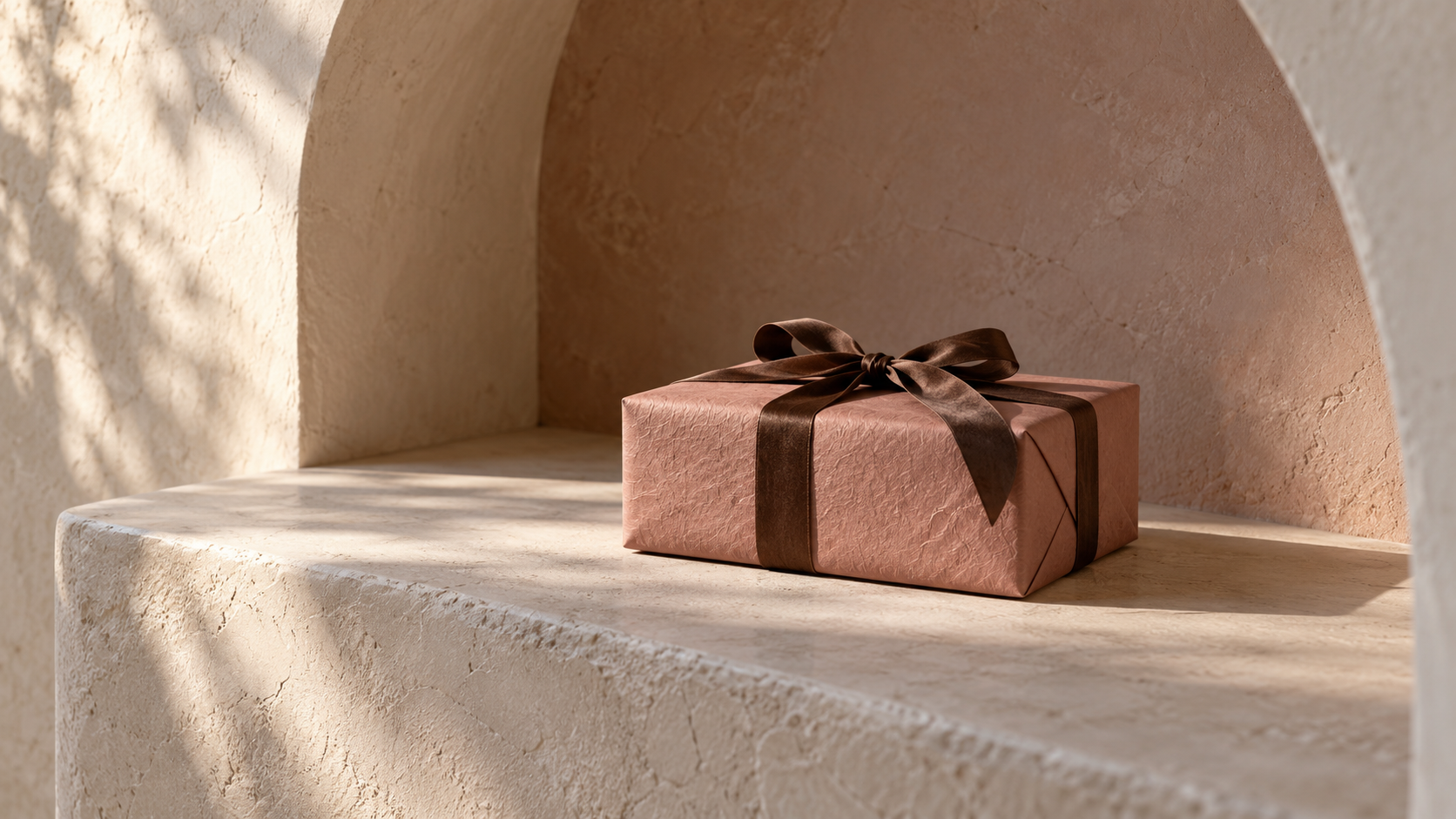
A generous gift feels thoughtful when its scale makes sense for the person and the relationship. It becomes excessive when the recipient is left managing its price, symbolism or practical demands. The same object can be exactly right for one person and profoundly awkward for another. Judgement lies in knowing which situation you are in.
Luxury can bring real pleasure: skilled making, unusual materials, repairable construction, a fitting or a commission that could not otherwise exist. The question is whether those qualities serve the recipient. A higher price may improve the object, but it cannot supply a reason for choosing it.
Start with proportion
Think about the relationship, the occasion and the gifts you have given one another before. An important anniversary might comfortably carry a piece intended to last for decades. The same piece from a new acquaintance could suggest an intimacy or an obligation that has not been established. A milestone permits a more ambitious gesture; it does not impose a minimum spend.
Research gives this intuition some support, though it is no substitute for knowing the individual. Five studies of gift price and gratitude found appreciation was strongest when a gift's monetary value aligned with the recipient's expectations. A separate study of romantic luxury gifting found women in its experiments viewed men's conspicuous luxury gifts less favourably in fledgling than established relationships. Neither finding creates a rule for every couple. Both are reminders that a gift communicates more than its purchase price.
Spend for something the recipient can experience
There are persuasive reasons to spend more: the hand of a particular maker, the quality of a fabric, an exact stone, a careful fitting, specialist aftercare or a commission that could only belong to one person. Those are qualities the recipient can live with. A logo may matter too if they love the house and have wanted a particular design. It has less power when the brand is being asked to do all the emotional work.
Imagine removing the price and the packaging. Can you still explain why this piece belongs to this person? The answer might be a colour they wear, a subject they study, a maker they follow or a memory you share. If the explanation is simply that it is expensive, spend more time choosing before you spend more money.
Consider the burden of receiving
A gift can be difficult to accept even when it is easy for the giver to afford. The recipient may wonder whether they are expected to respond at the same level, display the object in their home or wear something that is not to their taste. Ask what the gift will require of them after the occasion: space, upkeep, alteration, insurance, time, or a complicated return. The most thoughtful gesture allows them to enjoy the gift in their own way.
For fashion, jewellery and interiors, exact taste matters. Know their preferred metal, the size that fits, the colours they favour near their face and the amount of room they have. A surprise is delightful when those details are known. When they are not, an appointment to choose together can be a more confident gift than an expensive guess.
Make presentation serve the object
A beautiful box and a handwritten note can lend ceremony to an occasion. An elaborate reveal designed for an audience can make the recipient feel as if they must perform gratitude. Research into overpackaged gifts found a difference between the giver's and recipient's view of excessive layers. Keep the opening pleasurable and the reason for your choice private enough to feel personal.
Personalisation deserves similar restraint. An engraving can carry a date or phrase with significance. Initials on a product that was otherwise chosen at random will not repair the decision. Confirm the object first, then the detail; remember that custom work can change delivery and return terms.
Before you buy
Describe the gift in one sentence without mentioning its price. Then ask whether the recipient would choose its colour, material and scale; whether the occasion supports the gesture; and whether they can receive it without discomfort. If one answer is uncertain, investigate or involve them. Luxury feels considered when its craftsmanship and its personal fit work together.
For the financial side of the decision, see how to set a luxury gift budget. Our editorial approach explains how we assess particular objects.
Questions, answered
Can an expensive gift still be thoughtful?
Yes. Spend more when the money achieves something the recipient values, such as a particular maker, better materials, fitting, a commission or lasting care. The gift still needs to suit their taste and the relationship.
When is a gift too much?
It may be too much when its value, symbolism or practical demands make the recipient uncomfortable, or when paying for it strains the giver. There is no universal monetary threshold.
Is a recognisable luxury brand a poor choice?
No. A house can be exactly right when the recipient knows and loves its work. Choose the specific piece, colour and scale for them, rather than relying on the name alone.